A Rastafarian playing guitar while wearing a beanie with the Jamaican flag colours inside Rastafari indigenous village.

Doctor's Cave Beach, Montego Bay: Activities, Fees, and Snorkelling

Doctor's Cave Beach has been one of Montego Bay's best-known beaches for nearly a century, first gaining fame after a British doctor claimed its crystal-clear waters had healing properties. Today, it remains a favourite for its warm sea, where temperatures rarely fall below 78°F, easy snorkelling over a nearby reef, and a relaxed stretch of white sand that blends swimming with a genuine piece of Jamaican history.

A portrait of a Rastafarian wearing a beanie and holding a cigarette, while standing in front of a trees at Rasta Village Montego Bay.

A Bathing Club Born from a Cave in 1906

Doctor Alexander James McCatty donated his private beach property in 1906, and the bathing club that followed took its name from him. The cave that gave the beach its own name once sat at the water's edge, until a hurricane destroyed it in 1932. Fame arrived in the early 1920s, when British osteopath Sir Herbert Barker claimed the water here could treat several health conditions. Wealthy visitors seeking a cure soon followed, and the hotels built to house them started Montego Bay's entire tourism industry. That century-old story still shapes the club's membership model and its careful upkeep of the shoreline today.

Swimming, Kayaking, and People-watching on the Hip Strip

Doctor’s Cave Beach activities span more ground than a first glance suggests, and most visitors end up staying for hours. The shallow, current-free water makes long, relaxed swimming sessions comfortable, even if you are travelling with young children. Beyond the water, the wide sand stretch invites simple beachside lounging under a rented umbrella between swims.

Doctor’s Cave Beach activities span more ground than a first glance suggests, and most visitors end up staying for hours. The shallow, current-free water makes long, relaxed swimming sessions comfortable, even if you are travelling with young children. Beyond the water, the wide sand stretch invites simple beachside lounging under a rented umbrella between swims.

  • Swimming and Sunbathing: Gentle, current-free water and soft sand keep this stretch comfortable for hours, even for nervous swimmers.

  • Kayaking and Paddleboarding: Rental operators offer both kayaks and paddleboards hourly, giving couples and groups an easy way to explore the calm water offshore.

  • People-watching on the Hip Strip: The beach sits directly along Jimmy Cliff Boulevard, so a short walk puts shops, bars and street life within easy reach.

Regular visitors treat the Hip Strip itself as part of the experience, not just a route to the sand.

A black and white view of a Rastafarian posing for a picture with bamboo wall in the background.
A close up of a Rastafarian with dreadlocks, sitting and playing guitar outdoors as seen during the Rastafari indigenous village tour.

Snorkelling in Doctor's Cave Beach and the Marine Park Just Offshore

Snorkelling in Doctor's Cave Beach benefits directly from its position inside the Montego Bay Marine Park. The park has protected over 15 sq. km of coastline since its official 1992 designation. That protection keeps the reef close enough to reach on foot, rather than requiring a boat trip further offshore. Warm, clear water between 78°F and 84°F year-round means visibility rarely becomes a problem, even on your first attempt. The shallow approach near shore suits beginners especially well, since the reef starts appearing well before the water gets genuinely deep.

Doctor’s Cave Beach Entry Fee and What It Covers

Doctor’s Cave Beach entry fee sits at USD 8 for adults aged 12 and older, and USD 4 for children under 12. That admission keeps the sand and facilities noticeably better maintained than nearby free alternatives along the same coastline.

  • Entry Fee: USD 8 for adults, USD 4 for children under 12, covering full access to the beach and its grounds

  • Operating Hours: Open daily from 8:30 AM to 5:30 PM, with the same schedule running every day of the week

  • Chair and Umbrella Rental: Available for USD 7 per day, on a first-come basis, especially during the busiest weeks of the season

  • Facilities Included: Changing rooms, indoor and outdoor showers, lavatories and Wi-Fi access are available across the grounds.

Cash still works best for on-the-spot rentals, since card readers are not guaranteed at every rental stand.

A close up of an open fire pit with a cast iron vessel kept on top of it for cooking.
A portrait of two men standing next to each other and covering each other's face with a banana leaf.

  • Traditional Crafts: Artisans demonstrate hand drum-making and soap-making using techniques passed through generations. Jewellery, art, and handmade goods are also available for purchase from a small on-site shop.

  • Drumming Session: The tour closes with an interactive Nyabinghi drumming and chanting session with community members. Guests are invited to participate.

  • Add-on Experiences: You can personalise your tour by adding a traditional herbal bush-bath, a relaxing massage, or an energetic drum circle—just be sure to book in advance.

The Rastafari Yaad Experience

For a more intimate alternative to the standard group tour, the Rastafari Yaad experience connects visitors one-on-one with a single village family, either at the village or at their home base in Flower Hill. Limited to a maximum of six guests, it follows the same format as the Rhythms tour but with deeper personal interaction. It requires at least two days' advance request.

A close up of a puppet in a Jamaican attire, symbolising a Rastafarian, with the puppeteer in the background.
A Rastafarian playing guitar while wearing a beanie with the Jamaican flag colours inside Rastafari indigenous village.

Rasta Village, Montego Bay: Tour Options and Pricing

The Rasta Village, Montego Bay, offers two main experiences:

  • Rastafari Rhythms Tour: A three-hour group introduction covering the herb garden, Ital cooking, craft demonstrations, and a drumming session. Priced at USD 150 per guest. Tours with round-trip hotel transfers from Montego Bay start at approximately USD 170 per person.

  • Rastafari Yaad: A personalised one-family experience for groups of up to six. A minimum of two days' notice is required for all bookings.

Respectful Visiting: Culture and Etiquette

For a more intimate alternative to the standard group tour, the Rastafari Yaad experience connects visitors one-on-one with a single village family, either at the village or at their home base in Flower Hill. Limited to a maximum of six guests, it follows the same format as the Rhythms tour but with deeper personal interaction. It requires at least two days' advance request.

  • Dress Modestly: Comfortable, modest clothing is appropriate. Avoid beachwear or overly casual attire out of respect for the community.

  • Photography: Ask before photographing community members. Not all residents wish to be photographed, and permission should always be sought.

  • Cannabis: Rastafari considers cannabis a sacrament, and it is used ceremonially within the community. Sacramental use of cannabis was legalised in Jamaica in April 2015. Visitors should be aware of this cultural context and approach it with respect rather than curiosity or judgment.

  • Punctuality: Tours start at 10:00 a.m. sharp. Late arrivals may not be accommodated.

  • Approach: Come with genuine curiosity and a willingness to listen. The experience rewards those who engage seriously with the culture rather than treating it as a photo opportunity.

A close up of a Rastafarian smoking marijuana while wearing a beanie and trees in the background.

Stay at Hotel 39, Jamaica, in Montego Bay for a Rastafari Indigenous Village Tour

Most Rastafari Indigenous Village tour transfers depart from Montego Bay hotels, which makes the location of your accommodation a practical consideration, not just a comfort one. Hotel 39, Jamaica, on Gloucester Avenue, is positioned in the heart of MoBay and roughly 3 km from Sangster International Airport. When planning a Rastafari Indigenous Village day tour, our location serves as a convenient and accessible starting point, with all the Hip Strip’s restaurants and nightlife ready for you when you get back.

Facade of Hotel 39 in Jamaica with cars parked in front of it on a sunny day

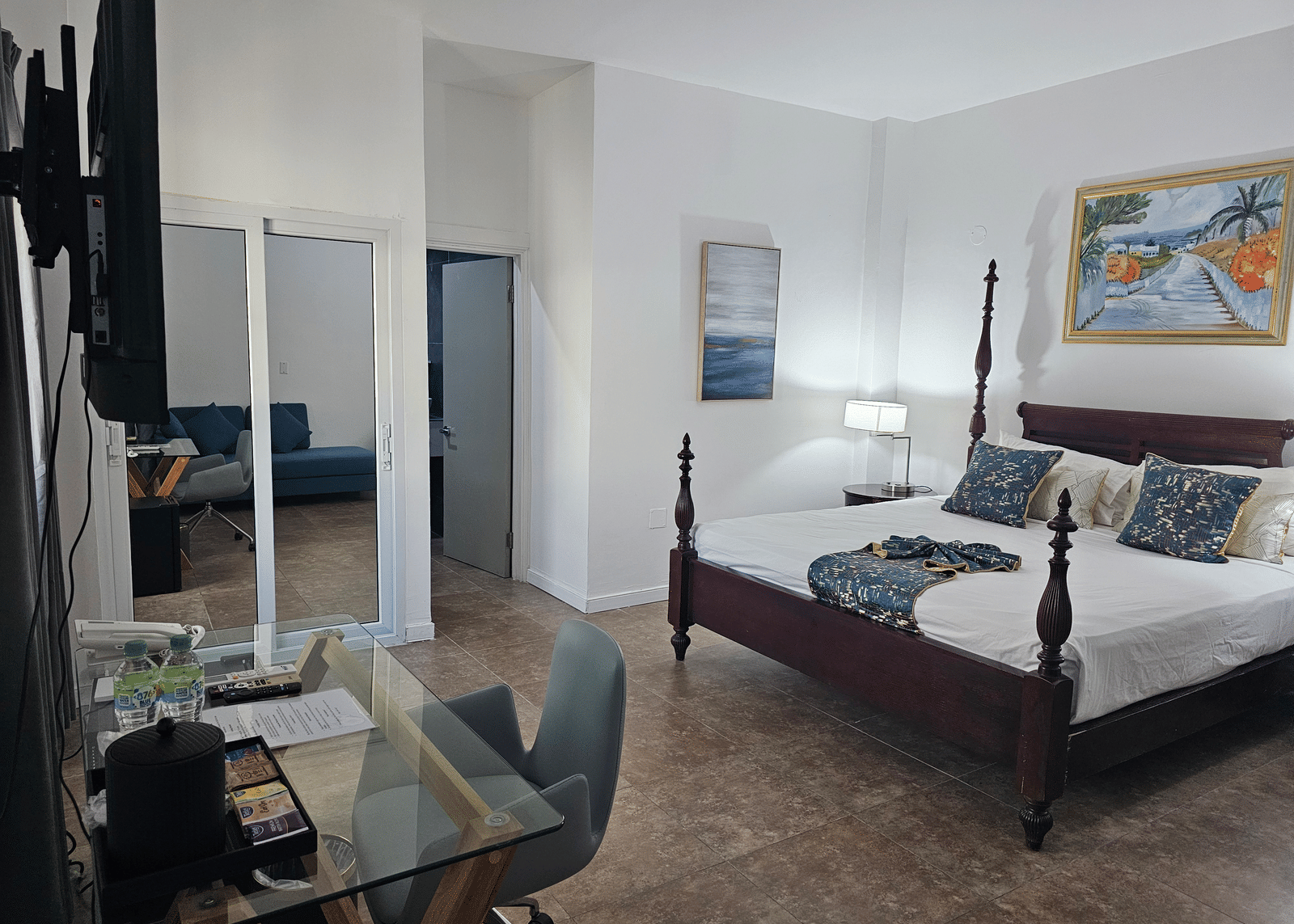
  • Rooms: Standard King, Standard Double, Superior King, and Superior Double rooms across four categories. Every room comes with air-conditioning and complimentary Wi-Fi as standard.

  • Dining: Breakfast, lunch, and dinner are covered across our venues. Alexander Restaurant handles the main dining, with a Jamaican and international menu running from 7:00 a.m. to 10:00 p.m. and a Sunday brunch on the terrace. Café 39 and the rooftop Pool Bar are opening soon.

  • Facilities: A rooftop pool, full-service spa (massages, facials, and nail and hair care), three event halls with audio-visual equipment, a travel desk for tour bookings, a gift shop, and EV charging

The Rastafari Indigenous Village is the kind of experience that reframes a trip to Jamaica. It is patient, layered, and genuinely community-driven in a way that most organised cultural tours are not. The walk through the woodland, the open-fire cooking, the conversation with the elders, and the closing drumming session add up to something that stays with you.

For visitors to Montego Bay who want to understand what Jamaica's cultural identity actually looks like beyond the resorts, a Rastafari Indigenous Village tour is the most direct answer available. Book in advance, arrive on time, and bring an open mind. Hotel 39, Jamaica, on the Hip Strip, positions you well for the transfer, letting the rhythm of the drums and the quiet wisdom of the hills follow you gently back into the evening.

Frequently Asked Questions (FAQs)

What is the Rastafari Indigenous Village?

The Rastafari Indigenous Village is a living Rastafari community in Montego River Gardens, Jamaica, offering guided cultural experiences covering Ital cooking, herbal healing, traditional crafts, and Nyabinghi drumming. Tours run on Thursdays, Fridays, and Saturdays by booking only.

Where is the Rasta Village located?

The Rasta Village, Montego Bay, is situated in the Montego River Gardens area, approximately 15 to 20 minutes inland from central Montego Bay and Sangster International Airport, accessed via Fairfield Avenue.

Do I need to book a Rastafari Indigenous Village tour in advance?

Yes, booking is mandatory for the Rastafari Indigenous Village tour. Walk-in visitors are not accepted. The Rastafari Yaad experience requires at least two days' notice.

How much does a Rastafari Indigenous Village tour cost?

The Rastafari Indigenous Village tour is priced at USD 150 per guest, excluding transport. Tours with round-trip hotel transfers from Montego Bay start at approximately USD 170 per person.

What should I wear to the Rasta Village, Montego Bay?

Wear comfortable, modest clothing and sturdy shoes. The Rasta Village, Montego Bay, is reached via a short walk through woodland and a river crossing, so appropriate footwear is important.

What does a Rastafari Indigenous Village tour include?

A standard Rastafari Indigenous Village tour includes a nature walk, medicinal herb garden visit, an Ital cooking demonstration over an open fire, traditional craft interactions, and a closing Nyabinghi drumming session. Add-on experiences, including massages, are available with advance notice.

What is Ital food?

Ital is the Rastafari dietary tradition, centred on strictly plant-based, natural, and locally sourced food. At the Rastafari Indigenous Village, visitors pick ingredients from the garden and cook them using traditional recipes over an open fire.

Is the Rastafari Indigenous Village suitable for children and families?

Yes, the Rasta Village Montego Bay welcomes families, and the Rastafari Yaad experience specifically accommodates groups of up to six. Children should wear sturdy sandals for the river crossing on arrival.

Where should I stay in Montego Bay for a Rastafari Indigenous Village tour?

Hotel 39, Jamaica, on the Hip Strip, is a centrally located, 100% Jamaican-owned boutique hotel, approximately 3 km from Sangster International Airport, making it a well-connected base for a Rastafari Indigenous Village tour from Montego Bay.

Continue your booking